


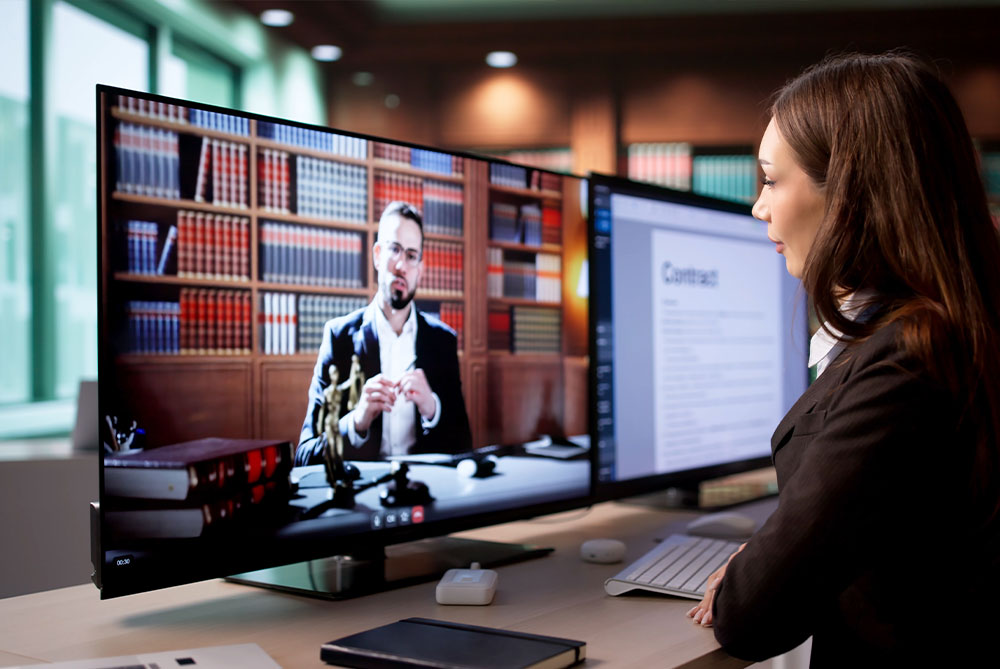
Is a Remote Disability Hearing an Option?
If you have appealed a denied Social Security Disability Insurance (SSDI) or Supplemental Security Income (SSI) claim, a formal trip to a federal office building to sit across from an administrative law judge typically comes to mind. We can finally say that image is now outdated.
Appearing before an administrative judge was the only way those who had a Social Security disability benefit appeal could be heard before the pandemic. However, when Social Security Administration (SSA) offices were forced to shut down due to COVID-19, things quickly shifted to keep the flow of claims continuing. The main source of remote hearings started by phone, but then rapidly adapted to online teleconferencing and video methods.
The SSA officially made expanded remote hearing options late last year. Remote hearings are not a special accommodation; they are one of the standard ways the SSA conducts disability hearings. The administration received enormous positive feedback on the way the remote hearings were carried, how they saved time, and allowed for disability applicants to attend hearings using their own video equipment, like smartphones or webcams, at home.
Darren Lutz, an SSA spokesperson, says remote hearings help the agency balance the workload more efficiently “because we can more easily transfer cases from one hearing office to another. This flexibility will help reduce wait and processing times, thereby providing more timely hearings for all claimants.”

The Four Manners of Appearance
Under the current rules, the SSA recognizes four official ways a claimant can appear at a disability hearing:
- In Person: A traditional face-to-face hearing at a hearing office or other designated location. This hearing cannot be objected to. The SSA retains the authority to require an in-person appearance regardless of your preference.
- Audio: A telephone hearing, conducted from any quiet, private location. Hearings can be scheduled without your advance consent, but you have the right to object. After receiving your Notice of Ways to Attend a Hearing, you generally have 30 days to submit an objection.
- Online Video: A video hearing using your own smartphone, tablet, or computer, held through Microsoft Teams, currently the only video platform the SSA has approved for this purpose. This requires your affirmative consent. The SSA will not schedule an online video hearing unless you agree to it in advance.
- Agency Video: A video hearing conducted using SSA-owned equipment at a local SSA office, sometimes called a teleconference hearing. Same rules apply as an audio hearing.
If you object to both audio and agency video, and you do not agree to online video, the SSA will schedule your hearing in person instead, with limited exceptions. In some circumstances, such as when agency video or online video cannot be arranged and extraordinary circumstances prevent an in-person appearance, the SSA may schedule an audio hearing even over your objection.
“Claimants may object to appearing by audio or agency video, and a claimant must agree to appear by online video before we will schedule that manner of appearance,” SSA wrote. “If a claimant objects to audio and agency video and does not agree to online video, we will schedule that claimant to appear at a hearing in person. However, in certain limited circumstances, we will mandate an audio appearance notwithstanding the claimant’s objection to appearing in that manner.”
What Does a Remote Hearing Look Like?
For an online video hearing, it’s best to find a private, quiet space with a stable internet connection. The hearing is usually conducted through Microsoft Teams; the SSA does not currently approve other video platforms for this purpose. Be sure that Teams is properly downloaded and working ahead of your scheduled remote hearing.
If you schedule an agency video hearing you go to a local SSA facility, where a technician sets up the video connection to the judge, who may be located elsewhere. This format uses equipment the agency owns, not your personal device.
For an audio hearing, you simply take the call from a private location at the scheduled time.
The SSA will record only the audio portion of the hearing in all formats. Video is not recorded, even for video hearings.
Here are the online video hearing user guidelines.
What are the Benefits of a Remote Hearing?
Remote hearings have become the norm rather than the exception due the many benefits a remote hearing brings. The majority of claimants are now opting for some form of remote hearing rather than traveling to an office.
- Reduced travel burden. Many disability claimants have mobility limitations, chronic pain, anxiety, or transportation challenges that make an in-person trip difficult.
- Faster scheduling. Because remote hearings are not tied to a single physical location, the SSA can move cases between hearing offices more easily, which can help reduce wait times.
- Comparable outcomes. Early data and agency reporting have found few technical problems and little meaningful difference in how cases are decided between remote and in-person formats.
- Saves Time. The three benefits above all play a major factor into the time that has been saved with a remote hearing, which has been a huge benefit overall for claimants and the SSA office.
You can find the remote hearing agreement form here.
Even though remote hearings have become easier for disabled individuals who had their appeal denied, you may want to contact a disability lawyer to help you determine your disability rights from the get go. Lowery Law Group is here to help you and will significantly increases your chances of getting your disability case won. We ease the stress during the appeal process and outline the proper medical records needed for your case. Contact Lowery Law Group at info@lowerylegal.com or call (843) 991-0733. There is no fee for a free consultation regarding your claim. Lowery Law Group is experienced in handling cases in South Carolina as well as Georgia.